Psych Ward Bracelet Solutions: Identity Wristbands Designed for Mental Health Facilities
In the complex environment of a healthcare facility, the humble patient ID wristband serves as the critical first link in the chain of patient safety. However, when we shift the focus to a psych ward or a mental hospital, the standard “one-size-fits-sall” wristband often fails to meet the unique challenges of the environment.
At FTGO, we understand that specialized care requires specialized tools. Here is how we rethink the design and functionality of the psych ward bracelet to ensure safety, durability, and dignity.
Why Mental Health Facilities Require “Different” Wristbands
In a general medical ward, patients are often bedbound or physically restricted by their illness. In contrast, patients in a mental health facility are often physically active. The identification tool must account for a wider range of physical movement and psychological triggers.
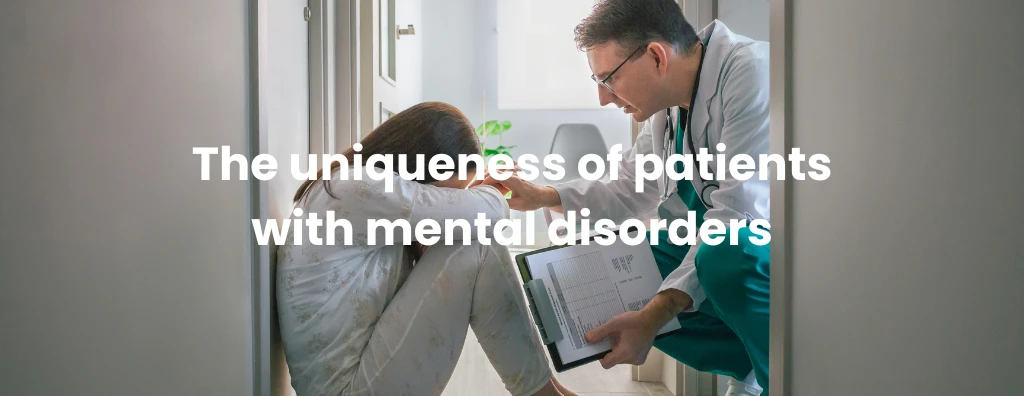
A mental hospital bracelet isn’t just an ID; it is a safety device that must remain intact under stress while remaining non-provocative to the wearer.
Addressing the Unique Behavioral Challenges
Patients experiencing acute anxiety, manic episodes, or psychotic breaks may exhibit specific behaviors that challenge standard hospital equipment:
Emotional Volatility: Sudden spikes in agitation can lead to physical outbursts.
Sensory Sensitivity: A scratchy or uncomfortable wristband can become a focal point of irritation.
Pulling and Tearing: It is common for patients to attempt to remove foreign objects from their bodies, leading to the constant tugging or biting of the wristband.
Core Challenges: Durability vs. Safety
Tear Resistance and Structural Stability
Ordinary thermal wristbands are designed for easy removal by staff, which often means they are easy for patients to tear off. In a psychiatric setting, a broken wristband means a lost identity, creating a significant security risk. We need materials that can withstand high-tension pulling without snapping.
Prioritizing Patient Safety
A torn wristband often leaves sharp, jagged edges. In a high-risk environment, even a small piece of rigid plastic can be repurposed for self-harm or may accidentally scratch the patient’s skin during a struggle.
The FTGO Solution: Engineered for High-Stress Environments
To address these needs, FTGO has developed a specialized line of psychiatric ID bands:
Reinforced Materials for Maximum Durability
Our wristbands are crafted from high-strength composite materials. They are designed to be “un-tearable” by hand, ensuring that the patient remains identified throughout their stay, regardless of their activity level.
The “Smooth Edge” Secondary Treatment
We don’t just cut our wristbands; we finish them. Every FTGO psych ward bracelet undergoes a secondary edge-smoothing process.
Zero Burrs: No sharp plastic edges or rough textures.
Skin-Friendly: The rounded edges reduce friction, making the band feel “invisible” to the wearer and significantly reducing the urge to pull at it.
Global Case Studies: The Power of Color Management
Color is a powerful psychological tool. At FTGO, we respect that different cultures and medical systems use color in different ways.
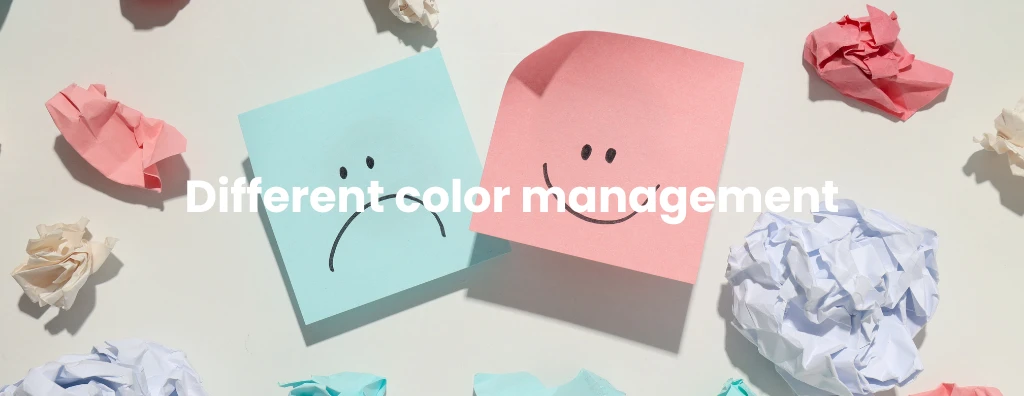
The Philippines: The “Calm White” Approach
One of our clients in the Philippines requested strictly pure white wristbands. Their philosophy? White is neutral and non-stimulating. By avoiding bright colors, they aim to keep the ward’s visual environment as low-stimulus as possible to help maintain patient stability.
Thailand: The Multi-Color Risk Stratification
In contrast, a major hospital group in Thailand utilizes a color-coded system to enhance rapid response:
Red: High-risk, extremely unstable patients.
Orange: Moderately unstable.
Blue: General patients.
Pink: Mild/recovering patients. This allows staff to assess a patient’s risk level instantly from a distance.
Respecting Every Choice: Uniformity or Distinction?
Whether a facility chooses “de-labeling” (using one color for everyone to avoid stigma) or “efficiency-first” (using color codes for safety), FTGO provides the manufacturing flexibility to support both. Our goal is to satisfy the client’s specific management scenario.
Beyond the Ward: Extreme Durability in Mortuary Care
Our commitment to high-performance identification extends to other sensitive areas, such as funeral homes and mortuaries. In these settings, the challenge isn’t tearing, but temperature.
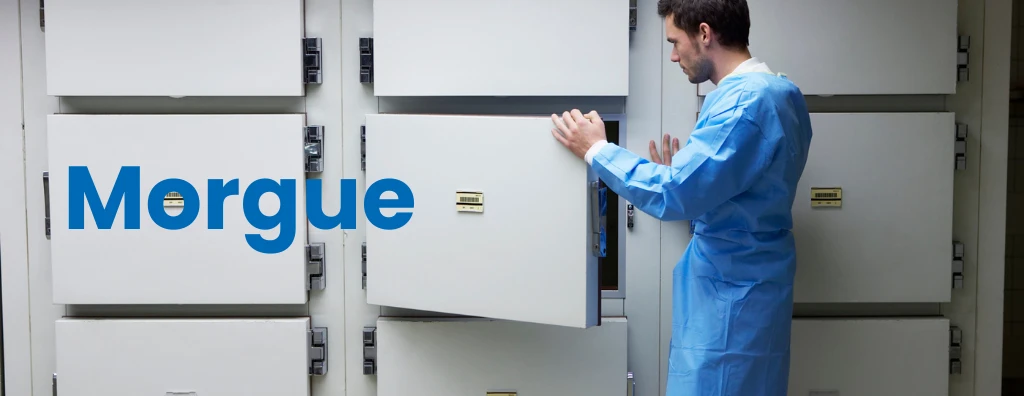
The -30°C Test: Mortuary ID bands must remain legible and flexible in deep-freeze conditions.
Fade Resistance: Our materials are engineered not to become brittle or lose ink clarity at sub-zero temperatures, ensuring the dignity of the deceased is maintained through accurate identification.
Conclusion: Identity Identification is Never “Just a Band”
From the high-energy environment of a psych ward to the extreme cold of a morgue, FTGO provides solutions that are as resilient as they are compassionate. We focus on the real-world application, understanding that for the person wearing it, a wristband is a constant presence. It should be safe, secure, and suited to the task.
If your facility requires psych ward bracelets, mental hospital wristbands, or other high-performance identification solutions, we are ready to support your specific needs.
Share this article
Follow us
A quick overview of the topics covered in this article.
- Por qué los centros de salud mental requieren pulseras “diferentes”
- Abordar los desafíos conductuales únicos
- Desafíos principales: durabilidad vs. seguridad
- La solución FTGO: diseñada para entornos de alto estrés
- Estudios de caso globales: El poder de la gestión del color
- Respetar cada elección: ¿Uniformidad o distinción?
- Más allá de la sala: Durabilidad extrema en el cuidado mortuorio
- Conclusión: La identificación de identidad nunca es “solo una banda”