Why Clear Printing Matters on Patient Wristbands? Avoid Critical Identification Errors
Why Clear Printing Matters on Patient Wristbands?
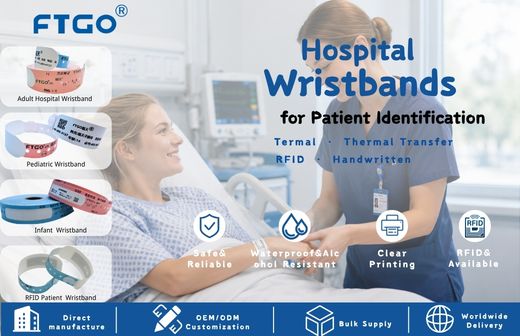
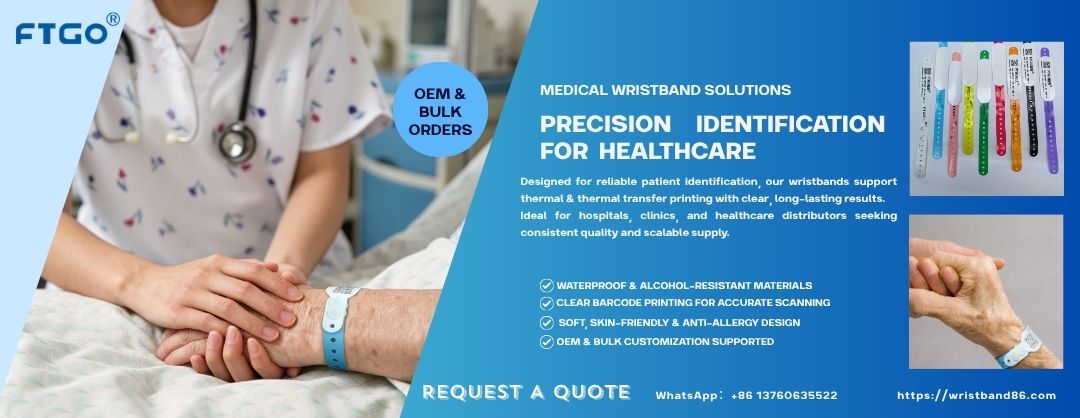
In healthcare environments, patient identification is one of the most critical steps in ensuring proper treatment and safety. Patient wristbands serve as the primary identification tool, carrying essential information such as name, ID number, and barcode.
However, one often overlooked factor is print clarity. Poorly printed wristbands can lead to scanning failures, misidentification, and even serious operational errors.
The Role of Wristbands in Patient Identification
Hospital wristbands are used throughout the entire patient journey—from admission to discharge. They are scanned and checked multiple times a day by healthcare staff.
Key uses include:
- Patient identity verification
- Medication administration
- Laboratory testing
- Access control within departments
If the printed information becomes unclear, the entire identification system becomes unreliable.
Risks of Unclear Printing on Barcode Wristbands
Unclear or faded printing can create multiple risks in daily operations:
1. Scanning Failures
Barcodes that are smudged or faded cannot be read by scanners, slowing down workflows.
2. Manual Errors
When scanning fails, staff must manually input data, increasing the chance of human error.
3. Misidentification Risks
Incorrect identification may lead to wrong treatments or medication administration.
4. Reduced Efficiency
Repeated reprinting and verification waste time and resources.
What Affects Printing Quality on Wristbands?
Several factors directly impact print clarity:
✔ Printing Technology
- Thermal printing: suitable for short-term use
- Thermal transfer printing: better for long-lasting, high-durability needs
✔ Material Quality
High-quality materials resist:
- Water
- Alcohol
- Friction
✔ Printer Compatibility
Not all wristbands work well with every printer. Mismatched supplies can cause blurred prints.
✔ Environmental Conditions
Humidity, temperature, and frequent handling can degrade print quality over time.
How to Ensure Clear and Durable Wristband Printing
To maintain consistent print quality, hospitals and distributors should consider:
✔ Choose the Right Material
Use soft, durable materials such as synthetic or nano-silicone-based wristbands that maintain print integrity.
✔ Select the Appropriate Printing Method
For longer patient stays, thermal transfer printing is recommended.
✔ Use High-Resolution Printers
Ensure barcode readability across multiple scans.
✔ Perform Quality Checks
Regularly test barcode scanning accuracy before use.
Why This Matters for Procurement Decision Makers
For procurement teams and distributors, choosing the right wristband is not just about price—it directly impacts:
- Operational efficiency
- Patient safety standards
- Long-term cost control
Low-quality wristbands may appear cost-effective initially but can lead to higher indirect costs due to errors and replacements.
FAQ
Q1: What is the best printing method for hospital wristbands?
Thermal transfer printing is generally preferred for durability and long-term readability.
Q2: How long should wristband printing last?
It should remain clear and scannable throughout the patient’s stay.
Q3: Do all barcode wristbands support alcohol resistance?
No, only high-quality materials are designed to withstand frequent disinfection.
Choosing the right patient wristband solution can significantly reduce identification risks and improve operational efficiency.
If you are sourcing hospital wristbands, barcode wristbands, or custom identification solutions, working with an experienced manufacturer can help ensure consistent quality and performance.👉 Explore more options or request samples to evaluate the best fit for your application.
Share this article


Follow us
A quick overview of the topics covered in this article.