How to Verify Chinese Hospital Wristband Suppliers Expertise | Guide
Finding reliable hospital wristband suppliers in China can feel overwhelming. Hundreds of manufacturers claim expertise, but how do you separate genuine specialists from generalists? This question troubles many procurement managers and distributors worldwide.
To verify a Chinese hospital wristband supplier’s professional capabilities, you need to examine their specialization in patient identification solutions, request manufacturing documentation, check factory facilities, review quality control processes, and ask for references from hospitals or distributors they’ve worked with. Look for relevant certifications, production experience, and deep knowledge of hospital wristband applications.

Does the supplier have specialized experience in hospital wristbands?
Many Chinese manufacturers produce a wide range of plastic products, labels, or general medical consumables. But patient wristbands require unique expertise—comfort, durability, printing compatibility, and compliance with hospital standards. A supplier without focused experience may deliver products that fail under alcohol cleaning, barcode scanning, or long-term patient wear.
A supplier with genuine wristband expertise will demonstrate:
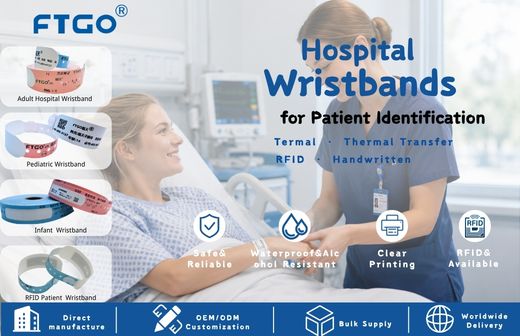
Knowledge of printing methods: thermal, thermal-transfer, or handwritten wristbands.
Understanding of hospital workflows: short-stay vs long-stay usage, adult vs pediatric requirements, newborn identification.
Awareness of safety standards: biocompatibility, tamper-proof design, readability of patient data.
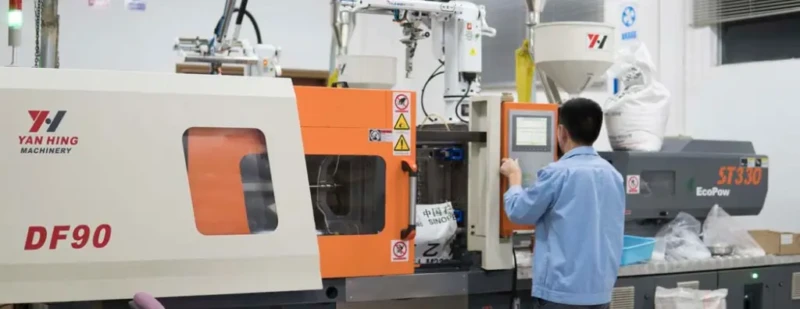
Signs of Genuine Hospital Wristband Expertise
| Expertise Indicator | What to Look For | Red Flags |
|---|---|---|
| Product Catalog | Dedicated wristband lines: thermal, transfer, RFID, alert bands | Random mix of unrelated products |
| Technical Conversations | Confident on print durability, barcode readability, material resistance | Vague answers, focus only on colors or design |
| Sample Knowledge | Can explain why certain materials (eg. nano-silicone, soft vinyl) are used | Talks only about low price or appearance |
| Industry Updates | Knows about RFID adoption, alert color coding, patient safety regulations | No knowledge of industry standards |
How can I check their hospital wristband manufacturing history?
Even suppliers with theoretical knowledge may lack real production experience. Without verifiable history, your orders may become their learning experiment, causing costly quality issues.
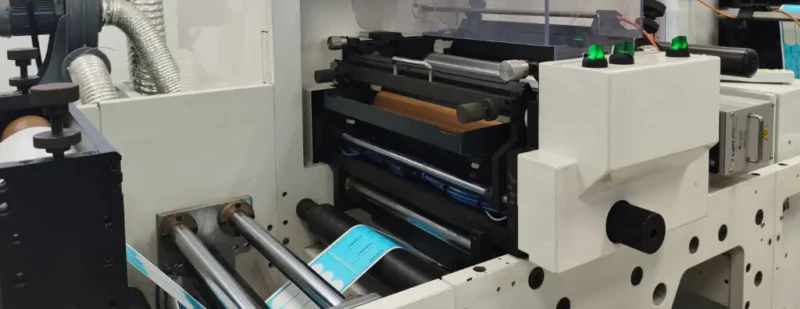
Effective Methods to Verify Manufacturing History
Factory Visits or Virtual Tours
A professional wristband factory should be willing to show their production lines—printing, die-cutting, assembly, and packaging.
Ask to see how wristbands are tested for durability, legibility, and adhesive strength.
Equipment Inspection
Look for thermal printers, barcode testing scanners, precision cutting machines, and clean packing areas.
Specialized investment in wristband production equipment shows commitment, not generic production.
Documentation Review
Document Type What It Reveals Why It Matters Product Development Records Iterations of wristband designs (eg. improved closure or softer material) Shows industry focus Quality Control Documentation Testing against alcohol, water, barcode scans Indicates systematic QC Production Capacity Reports Daily/Monthly output Confirms ability to handle hospital-scale orders Client Project Timelines Delivery performance Predicts reliability Material Sourcing Transparency
Reliable suppliers specify their material sources: hypoallergenic plastics, nano-silicone, durable adhesives.
Ask whether materials meet biocompatibility and environmental standards (eg. RoHS, REACH, ISO10993).
Certification Timeline
Long-standing ISO 9001 or ISO 13485 certification shows maturity.
Recent or incomplete certifications may indicate a newcomer.
What hospital clients or distributors have they worked with?
Some suppliers display logos of hospitals or distributors but lack proof. Without verifiable testimonials, you cannot confirm their claims.

How to Evaluate Client References Effectively
Written Testimonials: Look for specific mentions of comfort, printing clarity, or delivery reliability.
Case Studies: A good supplier will share real projects (eg. supplying 200,000+ wristbands monthly for a regional hospital network).
Direct Contact References: Permission-based hospital or distributor contacts who can confirm cooperation.
Partnership Longevity: Ongoing supply relationships over years are more credible than one-time shipments.
Problem Resolution Examples: Ask how they handled urgent reprints, misprints, or last-minute demand spikes.
Authentic references usually include details about volumes, product specifications, or challenges solved. For example, a case where the supplier improved wristband adhesive to resist alcohol cleaning in ICU use demonstrates genuine problem-solving capability.
Conclusion
Verifying a Chinese hospital wristband supplier’s expertise requires systematic checks in three key areas:
Specialized wristband knowledge (print, material, hospital workflow).
Manufacturing history and capabilities (factory tours, QC records, certifications).
Client relationships and testimonials (ongoing partnerships with hospitals or distributors).
By following this structured approach, you can identify truly professional partners who provide durable, reliable, and compliant wristbands—protecting patient safety and ensuring smooth supply for your organization.
Share this article

Follow us
A quick overview of the topics covered in this article.