Disposable Tourniquets vs Reusable Tourniquets: Which Is Better for Clinical Safety?
In everyday clinical procedures such as venipuncture, blood collection, and IV insertion, tourniquets play a basic yet critical role. Traditionally, reusable tourniquets have been widely used across healthcare facilities. However, with increasing awareness of infection control and regulatory compliance, disposable tourniquets are gaining attention among healthcare buyers and distributors.
This article compares disposable tourniquets and reusable tourniquets from a clinical safety and procurement perspective, helping B-end decision-makers make informed sourcing choices.
Understanding Reusable Tourniquets in Clinical Use
Reusable tourniquets are typically made from fabric, rubber, or elastic materials and are designed for repeated use after cleaning or disinfection.
Common challenges:
- Cross-contamination risk when cleaning protocols are inconsistent
- Reliance on manual disinfection, which varies by facility
- Material degradation after repeated exposure to disinfectants
- Difficulty in tracking usage cycles, especially in high-volume settings
In busy departments such as emergency rooms or outpatient clinics, these factors can create hidden safety and compliance risks.
What Makes Disposable Tourniquets Different
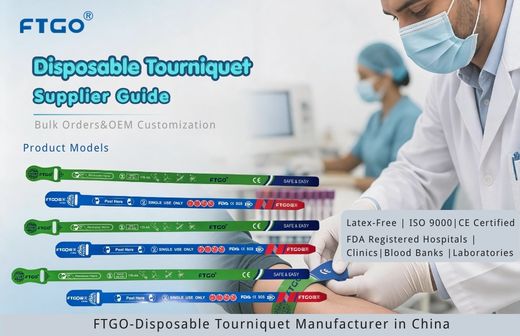
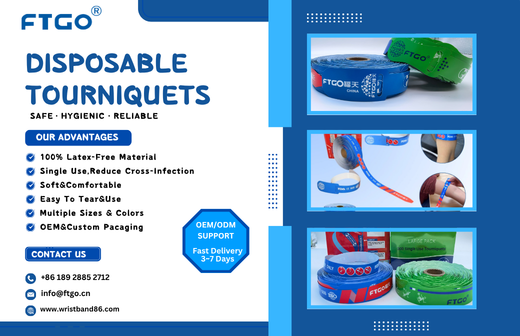
Disposable tourniquets are designed for single-patient use, eliminating the need for reuse or reprocessing.
Key characteristics include:
- Single-use design
- Lightweight synthetic materials
- Latex-free options for sensitive populations
- Easy disposal after each procedure
These features make disposable tourniquets increasingly relevant in modern infection control strategies.
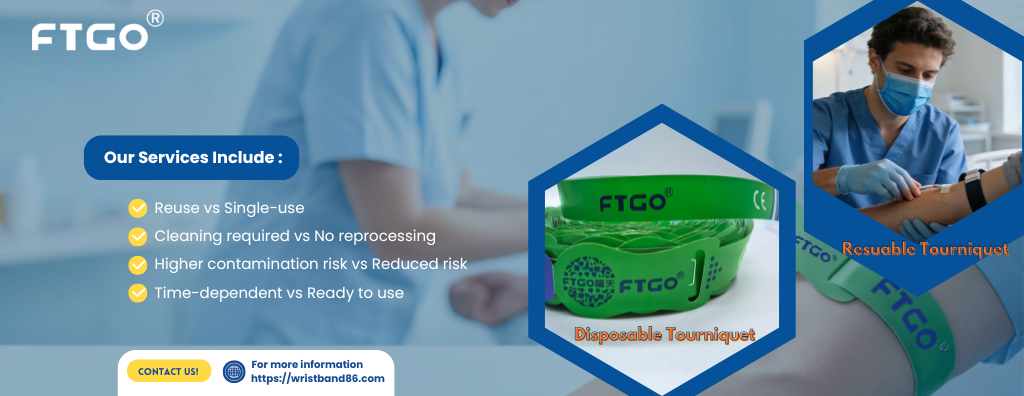
Clinical Safety Comparison: Disposable vs Reusable
| Aspect | Disposable Tourniquets | Reusable Tourniquets |
|---|---|---|
| Cross-contamination risk | Low(single use) | Higher if reused |
| Cleaning requirment | None | Required after each use |
| Workflow efficiency | Simple,time-saving | Dependent on staff compliance |
| Material consistency | Stable | May degrade over time |
| Allergy considerations | Latex-free options available | Often contain latex |
From a safety standpoint, disposable tourniquets reduce variables related to human error and environmental exposure.
Procurement and Compliance Considerations
For procurement teams, the choice is not only about unit price but also about total operational impact.
- Support standardized infection control policies
- Simplify staff training requirements
- Align with single-use medical consumable trends
- Are easier to audit and manage in supply chains
Many distributors and healthcare suppliers now consider disposable tourniquets a practical solution for facilities aiming to strengthen hygiene protocols.
The FTGO Perspective
As a manufacturer focusing on medical consumables, FTGO develops disposable tourniquets with attention to material stability, comfort, and consistency, supporting high-volume clinical environments and international supply requirements.
Conclusion
While reusable tourniquets may still be found in some settings, disposable tourniquets offer clear advantages in clinical safety, workflow efficiency, and infection control management. For healthcare buyers and distributors, disposable solutions are increasingly aligned with modern procurement and compliance expectations.
FAQ
Q1: Are disposable tourniquets suitable for high-volume hospitals?
Yes. Their single-use design supports fast workflows and consistent hygiene practices.
Q2: Do disposable tourniquets cost more in the long term?
When labor, disinfection, and risk management are considered, disposable options are often competitively cost-effective.
Q3: Are latex-free disposable tourniquets available?
Yes. Many disposable tourniquets, including FTGO options, are latex-free to reduce allergy concerns.
Share this article

Follow us
A quick overview of the topics covered in this article.